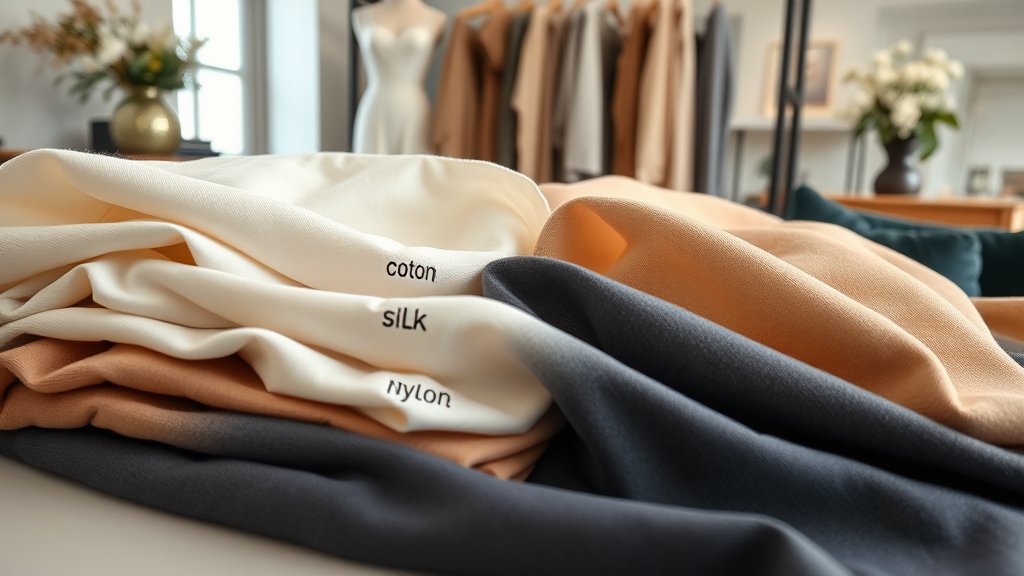
From the earliest days of human civilization, natural fabrics have been a fundamental part of our lives. Think about it. Cavemen sporting loincloths made from animal hides, Egyptians wrapped in fine linen – it’s clear we’ve always had an affinity for what nature provides. These materials, like cotton, wool, and silk, have stood the test of time. They’re breathable, comfortable, and just feel… right.
But there’s more to it than just comfort. Natural fabrics come with a sense of history and tradition. Take linen fabric, for example. It’s one of the oldest textiles in the world, dating back thousands of years. And there’s something almost poetic about wearing a material that connects us to our ancestors. Perhaps it’s this connection that makes natural fabrics feel so special. They carry stories, memories, and a touch of nostalgia.
Yet, as much as we love these materials, they’re not without their quirks. Linen wrinkles like it’s its job (which, let’s face it, kind of is), and wool can be itchy as heck if not processed correctly. But these imperfections are what make them unique and beloved. They remind us that perfection is overrated and that beauty often lies in the small flaws.
Synthetic fabrics revolutionize fashion
And then came synthetic fabrics – a game-changer in the world of textiles. Imagine the 20th century without polyester or nylon. Difficult, right? These man-made materials burst onto the scene and shook things up with their durability and flexibility. Suddenly, fashion was no longer at the mercy of moths or moisture.
Synthetic fabrics brought with them a kind of practicality that was hard to ignore. They were easy to care for, resistant to stains, and could mimic the look and feel of natural fibers at a fraction of the cost. Polyester blends became the go-to for everything from leisure suits in the ‘70s to modern-day activewear. It was like giving a breath of fresh air to an industry steeped in tradition.
But let’s not get carried away with all the praise. Synthetic fabrics have their downfalls too. They can feel less breathable compared to their natural counterparts and sometimes get a bad rap for environmental reasons. Microplastics shedding into waterways is a real concern. So while they revolutionized fashion in many ways, it’s important to remember that every innovation comes with its own set of challenges.
Mixing natural and synthetic for home decor
Home decor is where the blend of natural and synthetic really shines. Think about your living room couch – it might be upholstered in a fabric that combines the best of both worlds: the aesthetic appeal of cotton with the durability of polyester, or even faux fur fabric. This hybrid approach allows us to enjoy beautiful interiors without sacrificing practicality.
Curtains are another perfect example. Linen curtains can give a room that airy, light feel but mix in some synthetic fibers and suddenly you’ve got drapes that don’t wrinkle every time someone looks at them sideways. It’s all about balance.
Even bedding has seen this blend’s benefits. Sheets made from cotton-polyester blends offer the softness of natural fibers with added wrinkle resistance – because who really has time to iron their sheets? Mixing materials means getting the best of both worlds: comfort and convenience.
Sustainability in fabric choices
In recent years, sustainability has become a buzzword – and rightly so. The fashion and textile industries are notoriously resource-intensive, and consumers are becoming more conscious of their choices. Natural fabrics like organic cotton or bamboo are gaining popularity due to their lower environmental impact.
But what about synthetics? Well, there’s been progress there too. Recycled polyester is making waves as an eco-friendly option that’s helping reduce waste. Brands are also exploring innovative materials like Tencel made from sustainably sourced wood pulp.
Sustainability isn’t just about the raw materials though; it’s also about production processes and end-of-life considerations. Fabrics that can be recycled or biodegraded mean less waste ending up in landfills. So whether it’s choosing organic linen or recycled polyester, it’s all about making informed decisions that balance our needs with those of the planet.
The future of fabrics in everyday life
The future of fabrics looks exciting – and maybe a little sci-fi. Imagine clothes that can change color based on your mood or temperature-regulating materials that keep you comfortable no matter the weather. Innovations in fabric technology are pushing boundaries we once thought impossible.
Smart textiles are already here in some form – think fitness wearables integrated into clothing or fabrics that respond to environmental stimuli. As technology advances, these smart fabrics will become more mainstream, blending seamlessly into our daily lives.
And let’s not forget sustainability will continue to drive innovation in fabric production. From lab-grown leather to algae-based textiles, the quest for eco-friendly materials is leading to some truly groundbreaking developments. The future promises fabrics that aren’t just functional and beautiful but also kind to our planet.